
Customer portal, client portal, partner portal, vendor portal — they all sound the same, but they solve very different problems for very different audiences.
Pick the wrong type and you’ll end up with a tool that frustrates the people it’s supposed to help. Here’s the breakdown so you build the right one.
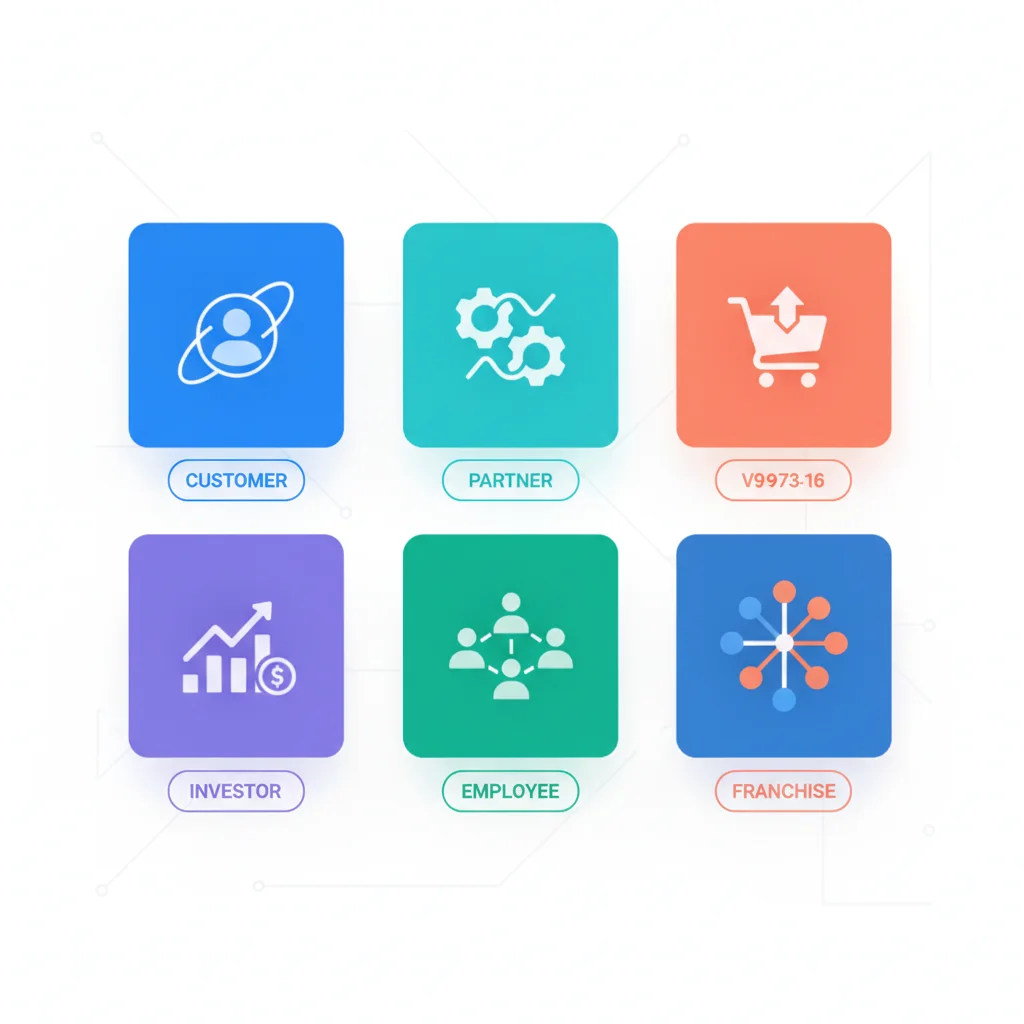
Customer Portal
Who it’s for: Your end customers (B2B or B2C)
Purpose: Give customers self-service access to their account, support, billing, and documents.
Key features: Self-service, billing, support ticketing, knowledge base, document sharing
Examples: SaaS product portals, insurance policyholder portals, e-commerce account areas
Learn more about customer portals →
Client Portal
Who it’s for: Clients of professional service firms
Purpose: Provide a secure, branded space for collaboration, communication, and deliverable sharing.
Key features: Secure messaging, document exchange, project tracking, onboarding, billing
Examples: Accounting firm portals, law firm portals, agency portals, consulting portals
The terms “customer portal” and “client portal” are often used interchangeably. “Client portal” tends to imply a more personal, service-based relationship.
Partner Portal
Who it’s for: Channel partners, affiliates, marketing collaborators
Purpose: Enable partners to sell your products effectively with access to resources, deal management, and performance tracking.
Key features: Sales collateral, deal registration, training, commission tracking, co-marketing tools
Learn more about partner portals →
Vendor / Supplier Portal
Who it’s for: Companies that supply goods or services to your business
Purpose: Streamline procurement, onboarding, invoicing, and compliance management for your supply chain.
Key features: Vendor onboarding, invoice submission, PO management, compliance tracking, payment status
Learn more about vendor portals →
Reseller / Dealer Portal
Who it’s for: Businesses that resell your products to end customers
Purpose: Support channel sales with pricing, ordering, marketing resources, and performance tracking.
Key features: Reseller pricing, online ordering, marketing materials, deal registration, commission tracking
Learn more about reseller portals →
Franchise Portal
Who it’s for: Franchisees in a franchise network
Purpose: Maintain brand consistency, distribute resources, deliver training, and monitor performance across locations.
Key features: Brand assets, operations manual, training, performance dashboards, communication
Learn more about franchise portals →
Distributor Portal
Who it’s for: Companies that distribute your products to retailers or resellers
Purpose: Manage orders, inventory, pricing, and marketing for distribution channels.
Key features: Product catalog, ordering, inventory visibility, shipment tracking, marketing resources
Learn more about distributor portals →
Investor Portal
Who it’s for: Investors, limited partners, shareholders, board members
Purpose: Share financial reports, performance data, capital account information, and compliance documents.
Key features: Performance dashboards, document vault, capital account access, tax documents, secure messaging
Learn more about investor portals →
Patient Portal
Who it’s for: Healthcare patients
Purpose: Give patients access to their health records, appointment scheduling, messaging with providers, and billing.
Key features: Health records, scheduling, messaging, prescription management, billing
Learn more about patient portals →
Employee Portal (Intranet)
Who it’s for: Your own employees
Purpose: Internal communication, HR self-service, document access, and knowledge management.
Note: Employee portals (intranets) are outside the scope of this site, but the underlying technology and principles overlap significantly with customer-facing portals.
Choosing the Right Portal Type
Most businesses need one primary portal type. Some need multiple:
- A manufacturer might need a customer portal for direct buyers AND a distributor/dealer portal for channel partners
- A franchise system needs a franchise portal for franchisees AND might need customer portals for each location’s customers
- A SaaS company might need a customer portal for end users AND a partner portal for integration partners
The good news: the underlying technology is similar across all types. The differences are primarily in features, user experience, and access controls. Our build vs. buy guide covers how to evaluate your options.