Pet owners call for appointment slots. They call for vaccine records. They call for medication refills. Your front desk isn’t a reception area anymore — it’s a call center that happens to be inside an animal hospital.
A pet owner portal gives clients 24/7 self-service access to the things they call about most — scheduling, records, prescriptions, and messaging with the care team. Less phone tag, shorter hold times, and happier pet parents (and staff).
Problems a Portal Solves for Veterinary Practices
The phone is your biggest bottleneck
In most veterinary practices, the phone is the primary (and sometimes only) way clients interact with the clinic outside of visits. Scheduling, rescheduling, prescription refills, record requests, billing questions — it all goes through the phone. During peak hours, calls go to voicemail or get abandoned entirely.
A portal with self-service capabilities moves routine transactions online. Clients book and manage appointments themselves. They request refills without calling. They access their pet’s records anytime. The result is a measurable reduction in call volume — typically 30-50% — which means shorter hold times for the calls that actually need human attention.
Vaccination records for boarding, grooming, and travel
Every pet owner who boards their pet, takes them to a groomer, or travels internationally needs vaccination records. Without a portal, they call the clinic to request them, a staff member pulls up the records, prints or emails them, and the whole thing takes 10-15 minutes of staff time.
A portal where clients can view and download vaccination certificates, rabies documentation, and health summaries on demand eliminates this entirely. The records are always current, always accessible, and always in a format that boarding facilities and airlines accept.
Multi-pet household management
A significant portion of veterinary clients have multiple pets — often 2, 3, or more. Managing appointments, medications, and records for multiple animals compounds every communication challenge. Clients call to schedule for one pet and realize they need to book for another. Medication refills get confused between animals.
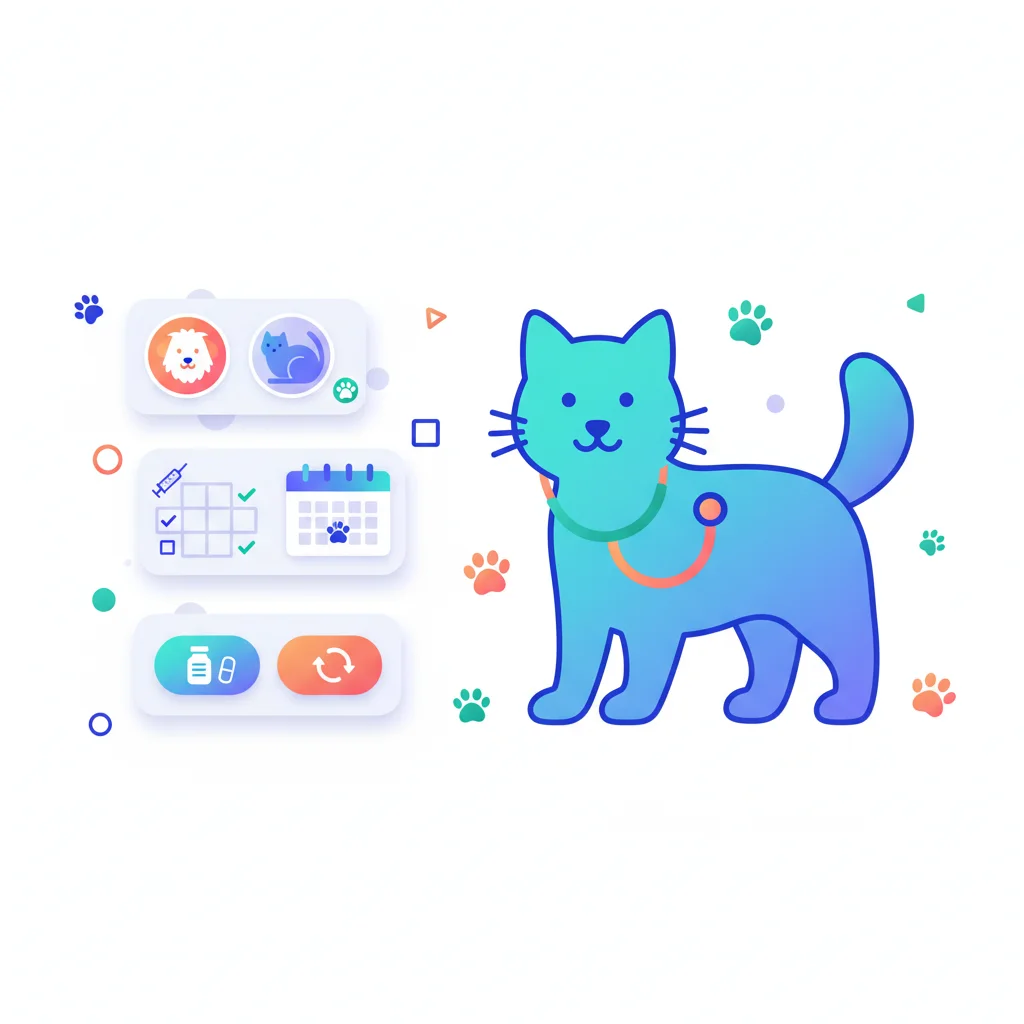
A portal with pet profiles — where each pet has its own medical history, vaccination record, medication list, and appointment schedule — gives multi-pet households a single place to manage everything. It’s the kind of organizational clarity that pet owners genuinely appreciate.
Prescription refill requests consume staff time
Chronic medications (thyroid, pain management, heartworm prevention, flea/tick) need regular refills. Each refill request, when handled by phone, involves a call from the client, a message to the veterinarian for approval, a callback to the client, and sometimes a second callback when the prescription is ready.
A portal that allows clients to submit refill requests online — with the request routed directly to the veterinarian for approval — streamlines this from a multi-step phone dance to a simple digital workflow. Automated notifications tell the client when the prescription is ready for pickup or has been shipped.
Post-visit care instructions get lost
Veterinarians spend time during and after visits explaining post-surgical care, medication instructions, dietary changes, and follow-up schedules. Clients nod along, walk out, and immediately forget half of it. Then they call back to ask whether the medication should be given with food or on an empty stomach.
A portal that provides access to visit summaries, discharge instructions, and care guides gives pet owners a reference they can return to. Instead of calling with questions, they check the portal.
Key Features for Veterinary Portals
- Online appointment scheduling — Book, reschedule, and cancel appointments with real-time availability. Species-specific and appointment-type filters.
- Pet profiles — Individual profiles for each pet with breed, age, weight, allergies, medical history, and photos.
- Medical records access — Visit summaries, lab results, diagnostic imaging, and treatment histories.
- Vaccination certificates — Downloadable vaccination records and health certificates for boarding, grooming, and travel.
- Prescription refill requests — Submit refill requests online with automated routing to the veterinarian and status tracking.
- Billing and payments — View invoices, make payments, set up payment plans, and access billing history.
- Secure messaging — Communicate with the care team about non-urgent questions, share photos of concerns, and receive guidance.
- Appointment reminders — Automated reminders for upcoming appointments, overdue vaccinations, and recommended preventive care.
- Discharge instructions — Post-visit and post-surgical care instructions accessible anytime through the portal.
- Loyalty and wellness plans — Manage wellness plan memberships, track included services, and view plan utilization.
Veterinary Portal Software
- PetDesk — Client engagement platform for veterinary practices with a pet owner app, appointment scheduling, reminders, and two-way messaging.
- Vetstoria — Online appointment scheduling platform for veterinary practices that integrates with most practice management systems.
- Otto — Client communication platform for veterinary practices with automated reminders, two-way texting, and review management.
- Shepherd Veterinary Software — Cloud-based practice management with a client-facing portal for records, scheduling, and communication.
- eVetPractice — Cloud-based veterinary practice management with a client portal, online pharmacy, and telemedicine.
- Digitail — Modern veterinary practice management with a pet parent app for scheduling, records, and communication.
Most veterinary practice management systems (PIMS) — including Cornerstone, Avimark, and ezyVet — offer some level of client-facing functionality, though the experience often varies. Third-party platforms like PetDesk and Vetstoria can augment an existing PIMS with a better client experience.
Client Communication and Trust
Veterinary medicine involves emotional decisions — often about beloved family members. Pet owners who feel informed and connected to their vet team are more likely to follow treatment plans, return for preventive care, and remain loyal to the practice.
A portal that provides transparency — clear records, accessible results, easy communication — builds the kind of trust that turns one-visit clients into lifelong relationships. When a pet owner can see their dog’s lab results within hours of the blood draw, read the vet’s notes, and message with a follow-up question, they feel cared for.
This transparency also helps with a delicate aspect of veterinary practice: treatment plan acceptance. Pet owners who can review treatment plans at home — including costs, options, and explanations — are more likely to approve recommended care than those who feel pressured to decide in the exam room. A portal gives them space to consider, discuss with family, and come back with informed consent.
For practices looking to improve how they communicate with clients, our article on improving customer experience and our client communication use case cover strategies that apply directly to veterinary settings.
What a Pet Owner Portal Looks Like in Practice
It’s 8pm on a Tuesday and Max the golden retriever just ate something suspicious in the backyard. His owner watches him sniff around the mushrooms growing near the fence and immediately feels that familiar pet-parent dread. Instead of rushing to the emergency vet — a stressful, expensive trip that may not even be necessary — she opens the vet clinic’s portal on her phone.
First, she pulls up Max’s medical profile. He’s 65 pounds, up-to-date on vaccines, no known allergies, and the last visit notes mention he has a sensitive stomach. Good context to have. She taps the secure messaging feature, snaps a photo of the mushrooms in the yard, and types: “Max ate some of these mushrooms about 20 minutes ago — should I be worried?” By 9pm, the vet technician has replied with an assessment based on the photo, some symptoms to watch for, and a morning appointment slot booked just in case things develop overnight. No emergency room visit needed (this time), and the whole interaction cost nothing but a few minutes of typing. That’s the experience pet owners remember — and the kind of accessibility that turns a vet clinic from “the place we go when something’s wrong” into a trusted care partner.
The platform most clinics use to deliver this kind of experience is PetDesk. Pet parents get a branded app with appointment booking, vaccination reminders, prescription refill requests, and two-way messaging with the care team. Clinics that launch PetDesk consistently report significant drops in phone volume, with some seeing 40-50% fewer inbound calls. For a front desk team that’s already drowning in ringing phones, that’s transformative.
On the newer end of the spectrum, Digitail takes a more modern approach to veterinary practice management with a pet parent app that feels less like traditional vet software and more like a consumer health app. Owners can view their pet’s complete medical timeline, see lab results with plain-language explanations, and communicate with the care team through a clean, intuitive interface. It’s the kind of experience pet owners are used to from their own healthcare apps — and increasingly expect from their vet.
For multi-pet households, the portal experience is especially valuable. A pet parent managing three dogs can see all their vaccination schedules, upcoming appointments, and medication refills in one view instead of keeping a spreadsheet on the fridge. When Bella needs her bordetella booster, Cooper is due for a dental cleaning, and Max has a heartworm prescription running low, having everything in one place isn’t just convenient — it’s the difference between staying on top of preventive care and letting things slip through the cracks.